February 14, 2025
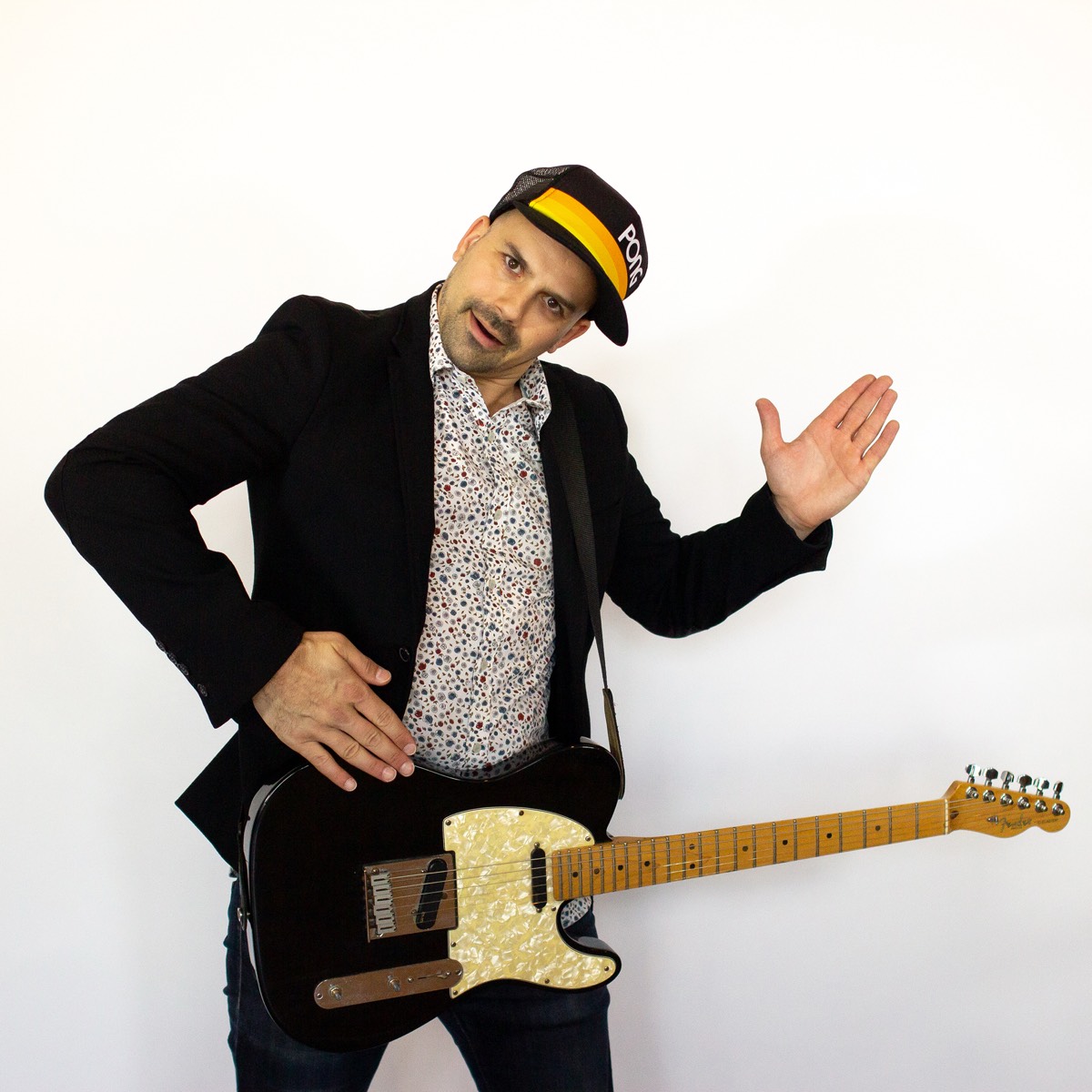
What 15 Years on Stage Taught Me About Building Products
People think my career path is random. Musician to studio owner to AI builder. But it’s the most logical progression I can think of. Everything I learned on stage directly applies to building products.
Let me show you.
Performing Live = Shipping in Real Time
When you’re on stage, there’s no undo button. You hit a wrong note, you keep going. The audience doesn’t care about your mistake - they care about what you do next.
Shipping software is the same thing. You push code, it breaks something, users notice. What matters isn’t the bug. It’s how fast you recover. How gracefully you handle it.
I’ve seen bands fall apart over one bad note. The guitarist freezes, the singer looks confused, the whole thing unravels. I’ve also seen bands turn a mistake into a moment - improvise around it, make it part of the show.
The best builders I know do the same thing. They don’t panic when something breaks. They adapt. They ship the fix. They move on.
Reading the Room = Understanding Your Users
Here’s something no one teaches you in music school: the setlist is a suggestion.
You walk on stage with a plan. 12 songs, specific order, energy curve mapped out. Then you look at the crowd. They’re not feeling the slow stuff. They want energy. So you swap songs three and four, drop the ballad, and pull out the cover everyone knows.
That’s user research in real time.
Building products works the same way. You have a roadmap. You think you know what users want. Then you watch them actually use your thing, and half your assumptions are wrong.
The musicians who refuse to read the room play to empty venues. The builders who refuse to listen to users build products no one uses. Same energy.
Practice and Repetition = Iteration Cycles
I practiced guitar for hours every day for years. Not because I loved every minute of it - some days it was genuinely boring. But every rep made the next performance better.
Building products is repetitive in the same way. You ship, get feedback, iterate, ship again. Each cycle makes the product better. Each cycle makes YOU better at building.
The musicians who skip practice and expect to crush it on stage? They don’t last. The builders who skip iteration and expect to nail it on the first try? Same outcome.
There are no shortcuts. There are only reps.
The Band = The Team
In a band, everyone has a role. The drummer keeps time. The bass holds the foundation. The guitarist adds texture. The singer connects with the audience. When everyone does their job, it’s magic. When someone tries to do everyone else’s job, it’s a mess.
I’ve been in bands where the guitarist plays too loud because he wants to be the star. I’ve been on teams where one person tries to own every decision. Same dysfunction, different stage.
The best bands - and the best teams - are the ones where everyone trusts each other to handle their part. You don’t need to micromanage the drummer. You need to trust the pocket and play your role.
Creative Skills Are Building Skills
Here’s what I want you to take away from this.
If you’ve ever performed, created, or shipped anything creative - you already have building skills. You know how to work under pressure. You know how to read an audience. You know that mastery comes from reps, not talent.
The tech world acts like building products requires some special brain. It doesn’t. It requires the same discipline, adaptability, and taste that any creative pursuit demands.
I spent 15 years developing those skills on stage. Now I use them every day to build software, run a business, and ship things that matter.
The stage was never a detour. It was training.